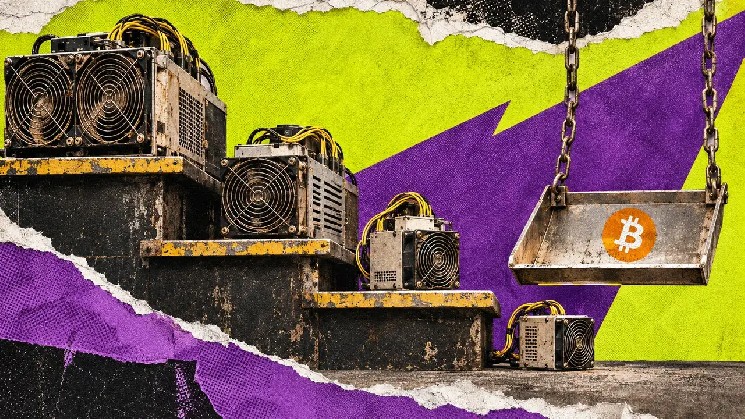
In contrast to conventional mining swimming pools, which usually distribute earnings by way of their very own fee programs, P2Pool paid miners straight from Bitcoin’s block reward transaction, often called the coinbase.
Nevertheless, every recipient requires a separate transaction output, growing the transaction’s measurement. Mining firmware restrictions and competitors for block house restrict what number of miners can obtain direct funds.
To handle that constraint, the unique P2Pool elevated the problem of qualifying mining shares when a miner’s anticipated payout fell beneath 0.001 $BTC.
In consequence, smaller miners earned qualifying shares much less typically, making their payouts much less predictable.
P2Poolv2 proposes a marketplace for smaller miners
P2Poolv2 is creating a distinct strategy that may permit smaller operators to promote their mining shares reasonably than rely on direct block rewards.
Below the proposed system, bigger miners would proceed receiving Bitcoin by way of coinbase transactions, whereas smaller members may promote their shares to consumers prepared to mixture them.
These consumers would accumulate the eventual Bitcoin rewards if their mixed shares certified for direct payouts.
The association would give smaller miners entry to earlier funds whereas transferring the uncertainty of future block rewards to consumers, who would search discounted costs for assuming that threat.
Nevertheless, the mannequin introduces one other problem: smaller miners would rely on consumers providing acceptable costs earlier than their shares expire.
Builders have additionally warned that enormous miners may divide their computing energy throughout a number of identities to safe restricted direct payout slots, doubtlessly crowding out smaller members.
P2Poolv2 at the moment operates its sharechain, accounting and direct payout programs on Bitcoin’s testnet5, whereas its proposed market stays beneath growth.
Its success will rely on whether or not that market can entice sufficient consumers to pay smaller miners with out concentrating reward distribution amongst bigger operators.